BUY NOW, PAY LATER. Starting at 0% APR


Heat is the enemy of performance. When you push your Mopar or GM build into the 700, 800, or 1,000+ horsepower range, your factory cooling system becomes the weakest link. High horsepower generates massive thermal energy. If you can’t shed that heat, you’re not just losing power: you’re risking a catastrophic engine failure.
At DTX Performance, we see enthusiasts spend thousands on forced induction and fuel systems, only to neglect the hardware that keeps the engine alive. If you want to dominate the track or the street, you must master thermal management.
Stop leaving power on the table. Avoid these seven critical cooling mistakes and build a cooling system that can handle the heat.
1. Using Tap Water Instead of Distilled Water
The biggest mistake is the most basic one. Filling your radiator with a garden hose is a death sentence for a high-performance engine. Tap water is loaded with minerals like calcium, magnesium, and iron. Under high heat, these minerals drop out of suspension and form "scale" inside your radiator and engine blocks.
This scale acts as an insulator, preventing heat from transferring from the metal to the coolant. It also causes internal corrosion that eats away at your water pump seals and aluminum components.
The Fix: Use only distilled water mixed with a high-performance coolant. Distilled water is stripped of minerals, ensuring your cooling passages stay clean and efficient. If you’re running a dedicated track car, consider a 70/30 water-to-coolant ratio with a high-quality wetting agent to maximize heat transfer.
2. Mixing Incompatible Coolant Chemistries
Not all coolants are created equal. Modern Mopar platforms typically use OAT (Organic Additive Technology) or HOAT (Hybrid Organic Additive Technology) formulas. GM platforms like the Camaro SS or Silverado have their own specific Dex-Cool requirements.
Mixing these chemistries causes a chemical reaction that can turn your coolant into a thick, brown sludge. This "gel" clogs the narrow passages in your radiator and heater core, instantly killing your cooling efficiency.
The Fix: Always flush your system completely before switching brands or types. Stick to the manufacturer’s recommended formulation or a high-performance universal alternative designed for aluminum engines. If you're upgrading a 2015 Dodge Charger 6.2L Supercharged, ensure the cooling system is as pristine as the exhaust note.
3. Ignoring the Heat Soak Monster
If you’re running a supercharged Hemi or an LT-based GM engine, heat soak is your primary performance killer. After a few hard pulls, the intercooler fluid gets hot and stays hot. This raises intake air temperatures (IATs), causing the ECU to pull timing and slash your horsepower.
Factory intercooler reservoirs are often too small to handle repeated back-to-back runs. Once that fluid reaches a certain temperature, your "800 HP" car starts performing like a stock 5.7L.
The Fix: Upgrade to a larger capacity intercooler reservoir. For high-output builds, consider an "ice box" or a thermal chiller system that taps into the AC lines to freeze the intercooler fluid. Maintaining low IATs is the only way to ensure consistent power delivery.

4. Underestimating Airflow and Fan CFM
A high-flow radiator is useless if you can’t pull air through it. Many builders upgrade to a thick, multi-core radiator but keep the stock plastic fans or, worse, cheap "universal" slim fans. These fans often don't have the CFM (Cubic Feet per Minute) rating required to pull air through a thick performance core at a standstill or low speeds.
Proper ducting and shrouding are also critical. If air can bypass the radiator by going around it, it will.
The Fix: Select a high-CFM brushless fan setup. Ensure your fan shroud covers 100% of the radiator core to force air through the fins. For heavy-duty builds like a Dodge Durango 5.7L, maximizing airflow is non-negotiable for sustained performance.
5. Using "Stop Leak" Products as a Permanent Fix
If you have a leak in your high-HP cooling system, fix it the right way. "Stop leak" additives are designed for emergency roadside situations, not for performance builds. These products work by coagulating when they hit air, but they also coat the inside of your entire system.
They settle in the low-flow areas of your radiator and heater core, effectively "insulating" the parts of the engine you are trying to cool. In a high-pressure, high-temperature environment, these blockages can lead to hot spots in the cylinder head and eventual head gasket failure.
The Fix: Find the leak. Pressure test the system, locate the failing hose or cracked tank, and replace it. Performance demands integrity. Don't compromise your engine for a $10 bottle of sealant.
6. Leaving Air Pockets in the System
Air is a terrible conductor of heat. If you have an air pocket trapped in your cylinder heads, that specific area will overheat rapidly, even if your temperature gauge looks normal. This is a common issue in modern muscle cars where the radiator fill point is lower than the highest point in the engine.
Trapped air causes localized boiling and "steam pockets," which can warp heads and blow gaskets in seconds under high load.
The Fix: Properly bleed your system using a vacuum coolant refiller or a spill-free funnel. On Mopar and GM platforms, utilize the factory bleed screws. Ensure the thermostat has cycled multiple times and no air bubbles remain. Build with precision, or prepare for failure.

7. Failing to Upgrade the Water Pump
The water pump is the heartbeat of your cooling system. As you increase RPM and horsepower, the demand for coolant flow increases exponentially. Factory water pumps are designed for stock longevity, not the extreme pressures and cavitation that occur at 7,000+ RPM.
Cavitation happens when the pump spins so fast that it creates low-pressure bubbles in the coolant, which then collapse violently. This damages the pump impeller and significantly reduces flow exactly when you need it most.
The Fix: Upgrade to a high-flow mechanical pump or a dedicated electric water pump for track-focused builds. An electric pump provides consistent flow regardless of engine RPM, allowing you to keep cooling the engine even after you’ve shut it down between runs. If you are pushing a Chevrolet Camaro SS, a high-performance water pump is a critical insurance policy.
Build For The Burn
Your high-horsepower build is an investment in speed. Don't let a $200 cooling oversight destroy a $10,000 engine. Cooling isn't just about preventing a boil-over; it's about maintaining the optimal thermal window where your engine makes the most power and stays reliable.
Shop with Confidence. At DTX Performance, we provide the hardware and the expertise to keep your modern muscle car at the front of the pack. Whether you are building a street-shredding Charger or a mountain-carving Camaro, we have the parts you need to dominate.
Action Plan:
- Push: Swap your tap water for distilled and high-performance coolant.
- Build: Install a high-capacity reservoir to fight heat soak.
- Select: Upgrade your fans and radiators for maximum CFM.
- Shop: Browse our selection of high-performance upgrades today.
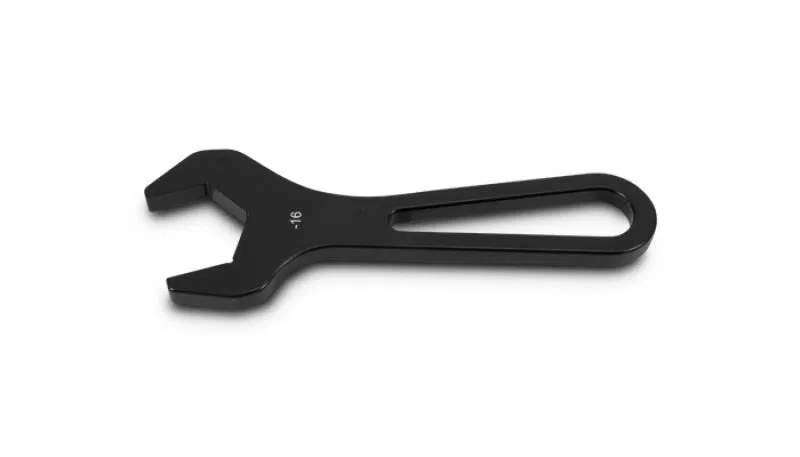
Maintaining a high-performance vehicle requires the right tools and the right mindset. Don't cut corners. Address these mistakes, lock in your cooling strategy, and get back to the track. We promise to only send you the best gear and the most authoritative advice for your build.
Need Expert Advice? If you have questions about your specific cooling setup or need help selecting the right radiator for your build, reach out to our team. We are here to help you build the ultimate performance machine.