 BUY NOW, PAY LATER. Starting at 0% APR


AWD is the ultimate equalizer. While RWD purists are busy fighting for traction and feathering the throttle, an All-Wheel Drive setup allows you to hammer the pedal and disappear. But that instant-on power comes with a heavy price. Launching a high-performance AWD machine: whether it’s a RAM TRX, a Trackhawk, or a custom-built AWD Charger: puts immense stress on every component between the crankshaft and the asphalt.
To dominate the strip or the street without grenading your transfer case or shredding your rubber, you need to understand the physics of the dig. Here are 10 critical factors you need to master regarding AWD grip, tire wear, and launch optimization.
1. Eliminate Diameter Mismatch
In an AWD system, tire diameter is a non-negotiable metric. Unlike a RWD car where you can run a different height up front for aesthetics, AWD systems require all four tires to be within a razor-thin margin of each other: usually within 2/32 or 3/32 of an inch in tread depth.
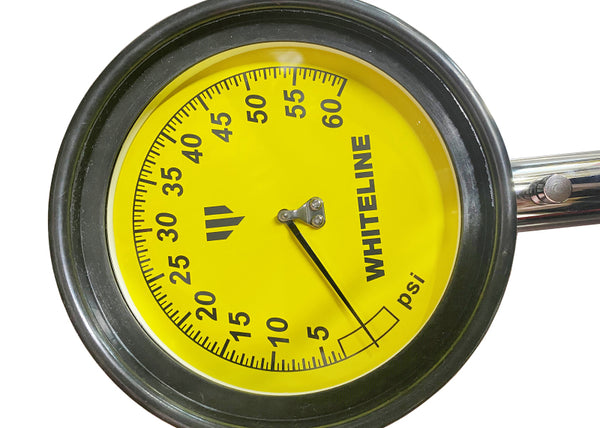
When diameters differ, your center differential or transfer case perceives a loss of traction. It will constantly attempt to compensate for the "slipping" wheel, leading to massive heat buildup and eventual mechanical failure. Before you launch, verify your pressures and tread wear. If you need replacement performance rubber, shop our tire and wheel accessories to ensure your rolling diameters are locked in.
2. Master the Weight Transfer
Even with four wheels driving, physics still dictates that weight moves to the rear under acceleration. This "squat" unloads the front tires, reducing their effective grip. In a high-horsepower AWD launch, this can lead to a "micro-slip" on the front axle followed by a violent grab as the weight settles.
To optimize, you need a suspension setup that manages this transition. High-performance dampers and stiffer bushings help keep the chassis level, ensuring the front tires maintain enough contact patch to contribute to the 60-foot time.

3. Manage Drivetrain Shock
The biggest killer of AWD components isn’t the power: it’s the shock. When you launch at high RPM, the sudden engagement sends a shockwave through the axles, CV joints, and the transfer case. If your tires have too much grip (like drag radials on a prepped surface), something in the drivetrain becomes the fuse.
To avoid snapping a half-shaft, use your vehicle’s Launch Control or a 2-step system. These systems allow you to build boost or RPM while pre-loading the drivetrain, taking the "slack" out of the system before the full torque hit.
4. Heat Management: Tires vs. Drivetrain
Burnouts are for RWD cars. Doing a four-wheel burnout in an AWD vehicle is a recipe for an expensive repair bill. However, cold tires still won’t grip.
For AWD launching, focus on "cleaning" the tires rather than heating them to a liquid state. A quick spin to shed debris is usually sufficient. More importantly, monitor your transmission and differential temperatures. Repeated back-to-back launches will cook the fluid, leading to thinning and increased wear on the gear sets.

5. Tire Compound Selection
Not all tires are created equal for AWD duty. A tire with a sidewall that is too stiff will chatter and bounce during a hard launch, which can destroy your differentials. Conversely, a tire that is too soft will "wrap" and cause wheel hop.
For most modern performance AWD vehicles, a high-performance Summer tire or a dedicated "Street Radial" offers the best balance. They provide the lateral stability needed for high-speed runs while offering enough longitudinal grip to haul you off the line.
6. The Danger of Wheel Hop
Wheel hop is the enemy of every AWD enthusiast. It occurs when the tire repeatedly gains and loses traction in rapid succession. This creates a jackhammer effect on the drivetrain. If you feel wheel hop, get out of the throttle immediately.
Preventing wheel hop requires looking at your subframe and differential bushings. Upgrading to polyurethane or solid mounts keeps the drivetrain aligned under load, ensuring that the energy goes into forward motion rather than vertical oscillation. Explore our suspension and chassis components to find the hardware needed to stiffen your stance.
7. Understanding "Scrub" and Tire Wear
AWD vehicles naturally experience more tire "scrub" than their 2WD counterparts. Because all four wheels are powered, they are constantly fighting for small amounts of slip during cornering and hard acceleration.
During a launch, the front and rear axles rarely spin at the exact same rate for the entire duration of the pull. This leads to unique wear patterns, such as feathering on the outer edges. To maximize the life of your performance tires, rotate them every 3,000 to 5,000 miles and keep a close eye on your alignment.

8. Alignment for Launching
Factory alignment specs are designed for tire longevity and fuel economy, not 1.5-second 60-foot times. Under hard AWD acceleration, the front end lifts and the rear end squats, which changes your toe and camber angles.
If your car has too much negative camber in the rear, the contact patch actually shrinks when the car squats. For dedicated drag setups, a "flatter" alignment is often preferred to ensure that as much rubber as possible stays on the ground when the power hits.
9. Transfer Case Fluids: The Lifeblood
In an AWD system, the transfer case is often the most overworked component. It’s responsible for shunting torque back and forth between the axles in milliseconds. This friction generates immense heat.
If you are launching your vehicle regularly, you must shorten your fluid change intervals. Use only high-performance, high-temp synthetic fluids. Dirty or burnt fluid loses its shear strength, which will lead to the internal clutch packs slipping and eventually burning out.
10. The "First 10 Feet" Rule
The most critical part of an AWD launch is the first 10 feet. This is where the most stress occurs. A professional-grade launch involves a smooth but rapid engagement. Avoid "dumping" the clutch or slamming the pedal from a dead idle if you don't have launch control active.
By easing into the first few feet of roll before applying 100% throttle, you allow the suspension to set and the drivetrain to tension, significantly reducing the risk of catastrophic failure.

Build Your Performance Foundation
Launching an AWD beast is an addictive rush, but it requires a disciplined approach to maintenance and hardware. At DTX Performance, we provide the high-octane parts and technical expertise you need to push your modern muscle to the limit and back.
Whether you’re looking to upgrade your cooling capacity, stiffen your suspension, or find the perfect set of wheels to handle the torque, we have you covered. Shop with confidence knowing every part we carry is selected for excellence and high-performance outcomes.
Ready to upgrade your build? Explore our full catalog of performance parts and accessories.
We promise to only send you the good stuff. Keep pushing the limits, and we’ll provide the power to get you there. Reach out to our team if you need technical guidance on your specific AWD platform. Let’s get to work.

