BUY NOW, PAY LATER. Starting at 0% APR



The Dodge Challenger is the definition of modern American muscle. Whether you are piloting a 5.7L R/T, a 6.4L Scat Pack, or a Widebody Hellcat, the factory exhaust system is often the weakest link in your performance chain. Manufacturers build stock systems to appease the masses: balancing noise regulations, cost, and comfort. For the true enthusiast, "average" is never enough.
Upgrading your exhaust isn't just about making noise; it’s about optimizing flow, shedding weight, and capturing the specific acoustic signature that defines your build. At DTX Performance, we specialize in parts that push boundaries. This guide breaks down the essential choices between sound and performance for the Dodge Challenger platform.
SELECT THE MISSION: SOUND VS. PERFORMANCE
When you begin your search, you must define your objective. Are you looking for a visceral, head-turning roar, or are you chasing every possible tenth of a second at the drag strip?
THE SOUND PRIORITY
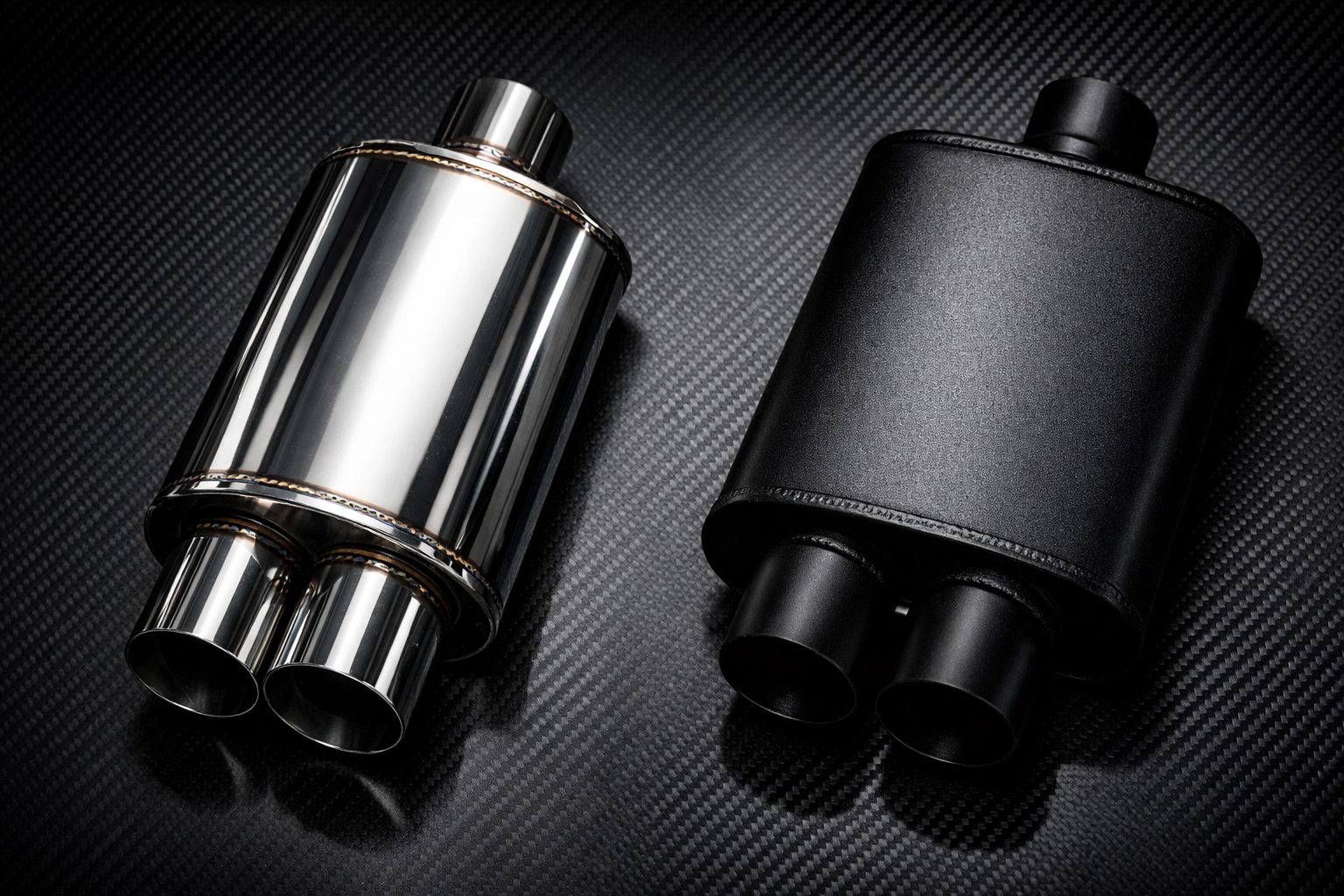
For many Challenger owners, the goal is to unlock the "old school" Hemi growl. Modern HEMI engines are incredibly refined, but the factory resonators and mufflers often mask the aggressive nature of the V8. If sound is your primary driver, your focus should be on the muffler design and the inclusion of an X-pipe or H-pipe.
- H-Pipes: Deliver a deeper, classic muscle car "thump."
- X-Pipes: Provide a higher-pitched, more exotic "scream" at high RPMs and offer slightly better scavenging for top-end power.
THE PERFORMANCE PRIORITY
Performance-focused builds prioritize exhaust velocity and backpressure reduction. A high-performance exhaust system allows the engine to breathe, pushing spent gases out faster so the intake can pull more fresh air in. This is especially critical for forced induction models like the Hellcat. If you are running high-performance wheels like the Weld Vitesse 15x12 for a dedicated drag setup, you need an exhaust that supports the massive power levels required to move that much rubber.

UNDERSTAND THE SYSTEM: AXLE-BACK VS. CAT-BACK
Before you buy, you must understand the hardware. The two most common configurations are Axle-Back and Cat-Back systems.
AXLE-BACK SYSTEMS
An axle-back system replaces everything from the rear axle to the exhaust tips.
- The Build: Includes the rear mufflers and tips.
- The Benefit: Most cost-effective way to change the sound profile.
- The Trade-off: Minimal performance gains, as the more restrictive factory mid-pipes and resonators remain intact.
CAT-BACK SYSTEMS
A cat-back system replaces everything from the catalytic converters to the rear of the car.
- The Build: Includes mid-pipes (X or H), resonators (or deletes), mufflers, and tips.
- The Benefit: Maximum performance gains. By replacing the factory mid-section, you eliminate the most significant bottlenecks in the exhaust path.
- The Trade-off: Higher cost and a more involved installation process.
TARGET THE 5.7L HEMI: WAKE UP THE R/T
The 5.7L Hemi is a legendary workhorse, but in stock form, it can sound somewhat pedestrian. To truly wake up the R/T, you need to address the heavy factory resonators.
For the 5.7L, we recommend a 2.5-inch Cat-Back system. This diameter maintains enough backpressure to keep your low-end torque high: essential for street drivability: while opening up the top-end. Brands like MagnaFlow offer deep, mellow tones that scream when you wide-open throttle but remain manageable during a highway cruise.
If you are building an R/T for the street, daily drivability is key. Look for systems that utilize chambered mufflers to provide that signature V8 rumble without the annoying cabin drone that can ruin a long drive.
DOMINATE THE 6.4L SCAT PACK: PRECISION TUNING
The 6.4L 392 Hemi is a different animal. It comes from the factory with a more aggressive tune and "Active Exhaust" valves. These valves open and close based on your drive mode (Street, Sport, Track) to manage sound levels.
MANAGING ACTIVE EXHAUST
When upgrading a Scat Pack or Widebody 392, you must decide whether to retain the Active Exhaust functionality.
- Valve-Back Systems: These allow you to reinstall the factory actuators so you can still toggle between "Quiet" and "Loud."
- Active Exhaust Delete: Some track-focused systems delete the valves entirely. While this provides maximum flow, it requires a "SIM" or electronic bypass to prevent a Check Engine Light (CEL).
For the Scat Pack, Borla is a top-tier choice. Their ATAK (Aggressive Tune of Applied Kinetics) series is designed specifically for those who want the loudest, most aggressive note possible without sacrificing the high-quality engineering required for the 6.4L platform.
ELIMINATE THE DRONE: THE CORSA ADVANTAGE
The biggest fear of any Challenger owner is "drone": that low-frequency vibration that fills the cabin at 2,000 RPM and makes conversation impossible.
Corsa Performance has mastered the science of drone elimination through their patented RSC® (Reflective Sound Cancellation) Technology. Instead of using packing material that breaks down over time, Corsa uses specifically tuned air chambers to cancel out "bad" frequencies while allowing the "good" performance notes to pass through.
- Sport Series: Perfect for the daily driver. Quiet at idle, aggressive under load.
- Xtreme Series: For the enthusiast who wants everyone to know they’ve arrived. It is loud, proud, and unapologetic, yet still drone-free at cruising speeds.
PUSH THE LIMITS: PIPE DIAMETER AND FLOW
Size matters, but bigger isn't always better. Choosing the wrong pipe diameter can actually hurt your performance by slowing down exhaust gas velocity.
- V6 & 5.7L Hemi: 2.25" to 2.5" is the sweet spot.
- 6.4L Scat Pack: 2.75" is the factory standard; 3.0" is ideal for modified NA builds.
- Hellcat / Redeye: 3.0" is the absolute minimum. For high-boost applications, some builders move to 3.5" or full 4" systems to prevent backpressure from choking the supercharger.
If your Challenger is reaching for the 4-digit horsepower mark, every detail counts. Pairing a 3-inch high-flow system with lightweight performance wheels, such as the Weld Vitesse 15x15.5, ensures that your power-to-weight ratio and engine efficiency are optimized for maximum thrust.

INSTALL WITH PRECISION: SHOP WITH CONFIDENCE
An exhaust upgrade is one of the most rewarding modifications you can perform. Most cat-back systems are "bolt-on," meaning they utilize factory hanger locations. However, don't let the "bolt-on" label fool you. Proper alignment is critical to ensure the tips sit flush and the pipes don't rattle against the chassis or the driveshaft.
TOOLS FOR THE JOB
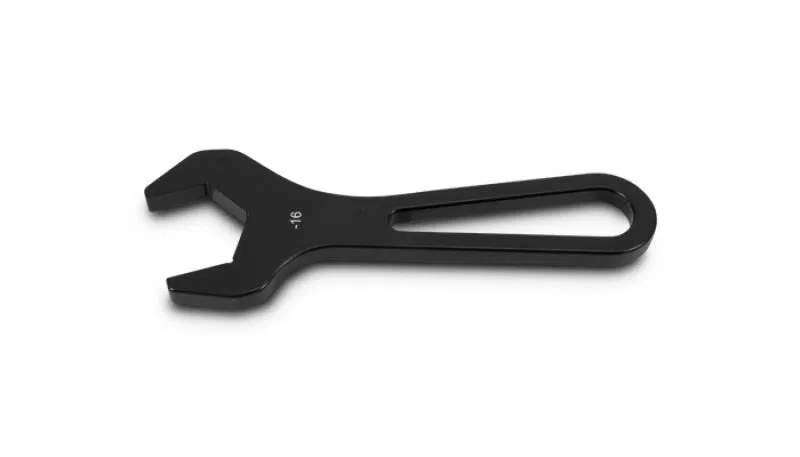
To get the job done right, you’ll need precision tools. A high-quality 16mm wrench and a sturdy socket set are the bare minimum. We recommend using a lift if possible, as maneuvering a long one-piece factory mid-pipe while lying on your back is a recipe for frustration.
At DTX Performance, we are committed to excellence. We understand that your Dodge Challenger is an extension of your personality. Whether you choose the refined acoustics of a Corsa system or the raw, unbridled power of a Borla ATAK, we provide the parts that make it possible.
SELECT YOUR UPGRADE
- Assess Your Engine: Match the pipe diameter to your displacement.
- Choose Your Tone: Deep growl (H-Pipe) or high-pitched rasp (X-Pipe).
- Identify Drivability Needs: Do you need Active Exhaust retention?
- Execute the Build: Install with high-grade hardware and enjoy the results.
Shop the full collection of Challenger performance parts at DTX Performance today. We promise to only send you the good things: the parts that actually make your car faster, louder, and better.