 BUY NOW, PAY LATER. Starting at 0% APR


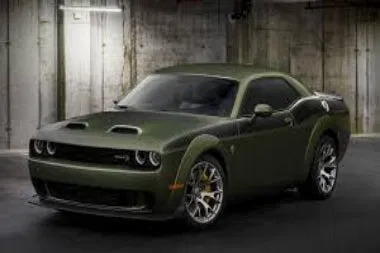
The Dodge Hellcat is more than a car; it is a statement of industrial-grade aggression. With 707-plus horsepower screaming from a 6.2L supercharged HEMI V8, the factory setup is impressive, but it is rarely enough for the enthusiast who demands absolute dominance. To truly unlock the soul of the Hellcat, you must address the breathing.
Stock exhaust systems are designed with compromises: noise regulations, production costs, and middle-of-the-road comfort. If you want to hear the mechanical symphony of the twin-screw supercharger blending with a gutteral V8 roar, you need a high-performance exhaust system. At DTX Performance, we focus on the hardware that converts boost into raw, unadulterated speed.
Push the Limits: Why Stock Exhaust Chokes Your Hellcat
The Hellcat engine is essentially a massive air pump. The more air you can shove in via the 2.4L (or 2.7L in Redeye models) supercharger, the more power you make. However, that air has to go somewhere. Factory manifolds and restrictive catalytic converters create backpressure. In a high-boost application, backpressure is the enemy. It increases heat, reduces efficiency, and stifles the HEMI’s signature exhaust note.
Upgrading your exhaust isn't just about volume. It’s about flow velocity and scavenging. By reducing the resistance the engine faces during the exhaust stroke, you allow the supercharger to work more efficiently, leading to faster spool times and more consistent power delivery across the entire RPM range.
Build the Foundation: Long Tube Headers and High-Flow Mids
If you are chasing four-digit horsepower or simply want the most aggressive setup possible, the journey starts at the cylinder heads. Factory cast-iron manifolds are heavy and restrictive.
American Racing Headers (ARH)
For the 707HP+ crowd, American Racing Headers is the gold standard. Their systems are engineered specifically to handle extreme boost levels. ARH long tube headers feature primary tubes designed to optimize exhaust pulse scavenging. When you transition to a 1-7/8" or 2" primary, you are giving those spent gases a clear, high-speed exit path.
Kooks Headers and Exhaust
Kooks is another heavy hitter in the Mopar space. Their stainless steel construction ensures that even under the intense heat generated by a Hellcat at wide-open throttle, the metal won't fatigue or crack. Pairing these with high-flow green cats or cat-delete pipes (for track use) transforms the Hellcat from a muffled muscle car into a mechanical predator.

Select the Sound: Cat-Back Systems for Every Driver
The "Cat-Back" is the most popular upgrade for Hellcat owners. It replaces everything from the catalytic converters to the tips. For the Hellcat, you must ensure the system retains or effectively replaces the Active Exhaust Valves (AEV). Without these, you risk a permanent "Check Engine" light or losing the ability to quiet the car down in "Street" mode.
Borla: The ATAK vs. S-Type
Borla offers two primary flavors for the Hellcat: the S-Type and the ATAK.
- S-Type: This is for the "Gentleman’s Muscle" approach. It offers a deep, melodic growl that is louder than stock but refined.
- ATAK (Abnormally Toxic Air Killer): This is for the owner who wants to be heard three blocks away. It is high-volume, high-octane, and designed to amplify the rasp and pop of the HEMI. Borla’s patented Polyphonic Harmonizer technology ensures that even at high decibels, the sound remains clean and free of "drone."
CORSA Performance: The Drone-Killer
If you spend a lot of time on the highway, drone is your worst enemy. CORSA uses Reflective Sound Cancellation (RSC) technology to target and eliminate the specific frequencies that cause cabin resonance. Their Sport and Xtreme systems provide a massive increase in flow (up to 14% over stock) while keeping the interior quiet during cruising. When you bury the needle, however, the CORSA roar is unmistakable.
Unleash the Scream: Balancing Whine and Roar
The Hellcat experience is defined by two sounds: the high-pitched whine of the IHI supercharger and the low-frequency rumble of the V8. A poorly designed exhaust will drown out the supercharger. A great exhaust will complement it.
High-flow X-pipes are essential here. By crossing the exhaust banks, an X-pipe creates a higher-pitched, more exotic "scream" at high RPMs, which blends perfectly with the supercharger’s 14,000+ RPM whine. If you prefer a traditional, old-school muscle car "thump," an H-pipe setup is the way to go, though it generally offers slightly less top-end flow than a well-tuned X-pipe.

Optimize for Performance: Budget-Friendly Power
Not every build requires a $3,000 titanium setup. For those looking for maximum "bang for your buck," MBRP offers incredible value. Their 3-inch Armor Lite and Armor Plus systems provide the diameter needed to support upgraded pulleys and tunes without the premium price tag of some boutique brands.
While the tone is more raw and "unfiltered" compared to CORSA or Borla, MBRP systems are rugged and get the job done. They are a favorite for owners who plan on putting their Hellcats through the ringer at the drag strip or drift pad.
Technical Precision: Installation and Sealing
Installing a full exhaust system on a Hellcat, especially headers, is a labor-intensive process. The engine bay is tight, and precision is mandatory.
When installing long tube headers, always use high-quality gaskets and hardware. Heat cycles on a supercharged engine are extreme; cheap gaskets will fail, leading to exhaust leaks that can throw off your O2 sensors and ruin your air-fuel ratios. At DTX Performance, we recommend a "measure twice, bolt once" philosophy. Ensure all hangers are aligned and that there is sufficient clearance from the transmission tunnel and fuel lines.

Shop with Confidence at DTX Performance
The Dodge Hellcat is an apex predator. It deserves an exhaust system that reflects its status. Whether you are looking for the refined engineering of a CORSA system, the aggressive volume of a Borla ATAK, or the high-boost capabilities of American Racing Headers, the choice you make will define your driving experience.
We understand that modern muscle isn't just about going fast: it's about the feeling of the wheel in your hands and the sound of power under your feet. We promise to only carry the gear that we would run on our own machines.
Key Takeaways for Hellcat Exhaust Selection:
- High Flow is Mandatory: If you're running more than stock boost, 3-inch piping and long tube headers are essential.
- Mind the Valves: Ensure your chosen system is compatible with the factory Active Exhaust Valves to maintain drive mode functionality.
- Material Matters: T304 Stainless Steel is the standard for durability and corrosion resistance.
- Tune Accordingly: If you install long tube headers or remove catalytic converters, a professional tune is required to optimize performance and prevent CELs.
Push your Hellcat to its logical conclusion. Build a machine that sounds as fast as it looks. Select the best, install with precision, and unleash the roar.
Ready to upgrade? Shop our full selection of high-performance exhaust components and take your Hellcat to the next level.

