 BUY NOW, PAY LATER. Starting at 0% APR


The Chevrolet Camaro ZL1 is a masterclass in American engineering. With 650 horsepower and 650 lb-ft of torque screaming from a supercharged LT4, it’s a car that demands respect on the street and total focus on the track. But here is the cold, hard truth: the showroom floor is not the starting grid.
When you transition from spirited backroad driving to a dedicated track day, the mechanical stress on your vehicle scales exponentially. We aren't just talking about tire wear. We’re talking about thermal loads that can cook your oil, brake temperatures that can vaporize standard fluid, and lateral G-forces that will punish a factory street alignment.
At DTX Performance, we live for the redline. We know that "good enough" for the street is a recipe for a "Did Not Finish" at the track. If you want to push your ZL1 to the absolute limit and drive it home afterward, you need a plan. This is your blueprint for handling the heat and mastering the G-force.
Build for Heat: The Fluid Evolution
Heat is the silent killer of performance. On a road course, your engine, transmission, and braking system are under constant siege. The ZL1 comes with an impressive cooling package from the factory, but the fluids inside those systems are your first line of defense.
The Brake Fluid Factor
If there is one upgrade you do before hitting the apex, let it be your brake fluid. Factory fluid is designed for longevity and moisture resistance over years of daily driving. However, it has a relatively low boiling point. Under the heavy braking zones of a technical track, your rotors will glow, and that heat transfers directly into the calipers.
Once your fluid boils, gas bubbles form in the lines. This results in a "mushy" pedal, or worse, total brake failure. We recommend a full flush with a high-temp racing fluid like Castrol SRF. It has a dry boiling point that exceeds 600°F. At DTX Performance, we advocate for a full flush every 12 months for active track drivers and a quick bleed every two track days to ensure no air has entered the system.
The Engine Oil Pivot
Your manual might say 0W-40 or 5W-30 for the street, but the track is a different animal. Under sustained high RPMs and high oil temperatures, standard oil can thin out, losing its ability to protect those vital LT4 bearings.
For track duty, the standard recommendation is switching to 15W-50 track-specific oil. This heavier weight maintains its viscosity even when the oil temp gauge starts climbing toward the danger zone.
Pro Tip: Remember to swap back to your street-weight oil after the event. 15W-50 is too thick for cold starts and daily commutes, and long-term use in normal conditions can lead to premature wear.

Build for Precision: The Braking Protocol
Stopping 3,900 pounds of American muscle from 140 mph into a hairpin turn requires more than just high-end fluid. It requires a mechanical harmony between your pads and rotors.
The Art of Bedding
New brake pads are not track-ready out of the box. To perform correctly, they need to undergo a "bedding" or "burnishing" procedure. This process deposits a thin layer of friction material from the pad onto the rotor surface. Without this transfer layer, you will experience uneven braking, vibrations, and accelerated pad wear.
The ZL1 Bedding Routine:
- Warm-up: Moderate stops from 30 to 5 mph to get some base heat in the system.
- The 60-10 Sprints: Accelerate to 60 mph and brake hard (just short of ABS) down to 10 mph. Repeat this 10 times in a row without stopping completely.
- The 80-10 Sprints: Repeat the process from 80 mph down to 10 mph for another 10 cycles.
- Cool Down: Drive for 10-15 minutes without touching the brakes to let the heat soak through and the material set.
Cooling and Hardware
While the ZL1 features impressive factory ducting, keep those channels clear of road debris. If you find yourself outdriving the stock pads as your lap times drop, it’s time to look at dedicated track compounds. We select only the most aggressive, heat-tested hardware to ensure your stopping power remains consistent from the first lap to the last.
Build for G-Force: The Alignment Blueprint
A factory ZL1 is aligned for tire longevity and straight-line stability on the highway. On the track, this "safe" alignment is your enemy. As you dive into a corner, the car leans, and the tire's contact patch shifts. On a street alignment, you’ll end up rolling onto the sidewall, destroying your tires and losing grip.
Dialing in the Camber
To combat lateral G-forces, you need "Negative Camber." This means the tops of the tires are tilted inward toward the center of the car. When the car leans in a turn, the tire flattens out, giving you the maximum possible contact patch.
For a serious ZL1 track setup, we recommend:
- Front: -2.0 to -2.5 degrees of camber.
- Rear: -1.5 to -2.0 degrees of camber.
- Toe: Aim for zero toe or a very slight "toe-out" in the front to sharpen turn-in response.
This setup will "hunt" a bit more on the highway and wear the inside of your tires faster during street driving, but on the track, it’s the difference between setting a Personal Best and sliding into the grass.

Build for Awareness: The Gauge Advantage
You cannot manage what you do not measure. The ZL1’s digital dash is excellent, but in the heat of a session, you need critical data points front and center.
Vital Signs to Watch
- Oil Temperature: If you see North of 275°F, it’s time for a cool-down lap.
- Oil Pressure: High G-loads can sometimes cause oil starvation in certain engines. While the LT4 has an excellent oiling system, a sudden drop in pressure is your signal to shut it down immediately.
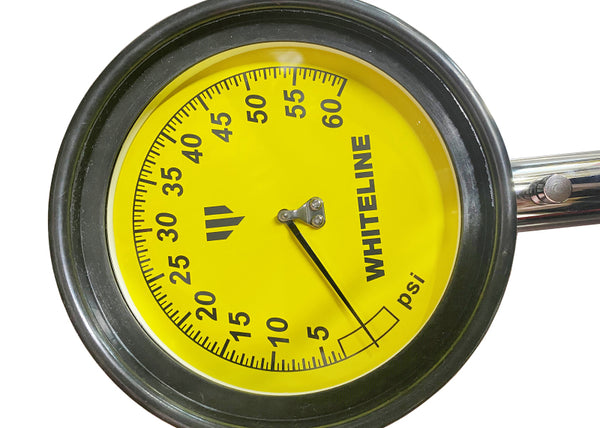
- Tire Pressure: This is the most underrated "gauge" on the car. Tires gain 5-8 PSI as they heat up. Check your pressures immediately after every session. If you start at 30 PSI cold and end at 42 PSI hot, your handling will be greasy. Aim for a "hot" pressure recommended by your tire manufacturer (usually around 35-37 PSI for standard performance rubber).
Adding aftermarket gauge pods or specialized data loggers can provide a layer of insurance. Knowing exactly what is happening under the hood allows you to push with confidence rather than fear.

Build for Excellence: The DTX Performance Promise
Preparing a ZL1 for the track is a journey of precision. At DTX Performance, we don't just sell parts; we curate the exact components needed to elevate your driving experience. Whether you are looking for advanced cooling solutions, suspension upgrades, or performance braking systems, our selection is vetted by enthusiasts who actually drive these cars.
We understand that when you order a part, you need it fast and you need it in one piece. That’s why we emphasize secure shipping and a frictionless shopping experience. We want you spending less time tracking packages and more time tracking lap times.
Shop with Confidence
While we specialize in the modern muscle ecosystem, our expertise in cooling extends across the board. Whether you're hauling your Camaro to the track with a Dodge Ram 2500 or you have a Nissan 350Z as a dedicated drift missile in the garage, we provide the same high-performance outcomes for every build.
Final Inspection: The Checklist
Before you load up and head to the circuit, run through this final checklist:
- Torque your lugs: 140 lb-ft is the standard for the Camaro, but always check your specific wheels.
- Check for leaks: A tiny oil drip on the street is a fire hazard on the track.
- Empty the cabin: Remove floor mats, water bottles, and anything that can slide under your pedals.
- Helmet and Safety Gear: Ensure your tech inspection requirements are met.
The Camaro ZL1 is one of the greatest performance values on the planet. With the right prep, it’s a giant-slayer that can embarrass supercars twice its price. Handle the heat, dial in the G-force, and push for the podium.
Ready to build? Shop our curated selection of performance parts and get your ZL1 track-ready today.


