 BUY NOW, PAY LATER. Starting at 0% APR


Nitrous oxide is the most misunderstood power adder in the performance automotive world. Often dismissed as a "shortcut" or a "cheat code," the reality is far more scientific. For modern muscle owners: whether you’re piloting an S550 Mustang, a Scat Pack Challenger, or a late-model Camaro: nitrous systems offer the most significant horsepower-per-dollar ratio available today.
In the world of drag racing, precision is everything. A properly executed nitrous setup doesn’t just add power; it delivers a cooling effect that can stabilize your intake temperatures and provide a massive torque curve that forced induction systems often struggle to match instantly. At DTX Performance, we believe in doing things the right way. This guide breaks down the technology, the hardware, and the safety protocols required to turn your street car into a track-dominating machine.
Master the Science of Speed
To use nitrous effectively, you must understand what it actually does. Nitrous oxide ($N_2O$) is not a fuel. It is an oxidizer. It consists of two parts nitrogen and one part oxygen. When injected into an engine, the heat of combustion breaks these molecules apart, releasing concentrated oxygen into the cylinder.
This extra oxygen allows the engine to burn more fuel, resulting in a more powerful explosion and, subsequently, more horsepower. Beyond the oxygen boost, nitrous enters the intake as a liquid and immediately boils into a gas. This phase change absorbs a massive amount of heat, dropping intake charge temperatures by as much as 65°F. This creates a denser, more oxygen-rich environment that resists detonation and maximizes efficiency.

Select Your System: Dry vs. Wet
Choosing the right nitrous system for your modern muscle car depends on your power goals and your vehicle's fueling capabilities.
The Dry System
A "dry" system delivers only nitrous oxide through the nozzle. The additional fuel required to match the oxygen increase must come from the vehicle’s existing fuel injectors.
- How it Works: The system triggers the factory ECU to increase fuel flow, or it uses a fuel pressure regulator to "trick" the system into enrichment.
- Best For: Entry-level setups (50–75 horsepower shots) and vehicles with highly capable factory fuel systems and tunability.
- Pros: Simpler installation, fewer components, and less risk of "fuel puddling" in the intake manifold.
The Wet System
A "wet" system is the gold standard for performance automotive applications targeting 100+ horsepower gains. These systems utilize a single nozzle that sprays both nitrous and fuel simultaneously.
- How it Works: A specialized "T" fitting taps into your factory fuel rail. When the system activates, solenoids open for both the nitrous and the fuel, mixing them at the intake.
- Best For: High-performance builds and long-term track reliability.
- Pros: Independent control of the fuel mixture, making it safer for larger "hits" without overtaxing the factory injectors.
Direct Port Systems
For the professional racer, a direct port system is the ultimate evolution. Instead of one nozzle at the throttle body, a direct port system places a nozzle in each individual intake runner. This ensures perfect distribution across all cylinders, eliminating the risk of one cylinder running leaner than the rest.
Build for the Platform: Modern Muscle Specifics
Modern engines like the Gen 3 Coyote, the 6.4L Hemi, and the LT1 require a specific approach to nitrous. These are high-compression engines with tight tolerances.
Ford Mustang (Coyote)
The Coyote engine loves nitrous, but timing is critical. Because these engines run high compression from the factory, you must pull timing when the nitrous is active. We recommend a dedicated tuning device or a specialized nitrous controller to manage these shifts automatically.
Mopar (Hemi)
The 5.7L and 6.4L Hemis are stout, but they are sensitive to heat. Wet kits are highly recommended for Mopars to ensure consistent fueling. Ensure your fuel pump can handle the additional demand; if you are pushing past a 150-shot, a dedicated fuel cell for the nitrous system is a smart insurance policy.
GM (LS/LT Platforms)
The GM platforms are the most common recipients of nitrous systems. For the newer LT engines with Direct Injection, a wet kit is often the easiest way to add supplemental fuel without complex high-pressure fuel pump upgrades.

Secure Your Setup: Essential Safety Hardware
Pushing an engine to its limits requires more than just a bottle and a hose. Safety is the difference between a new personal best and a catastrophic engine failure.
- RPM Window Switch: Never spray at low RPM (where torque spikes can break rods) or into the rev limiter (where fuel cut-off occurs). A window switch ensures the nitrous only flows between a specific RPM range, typically 3,000 to 6,000 RPM.
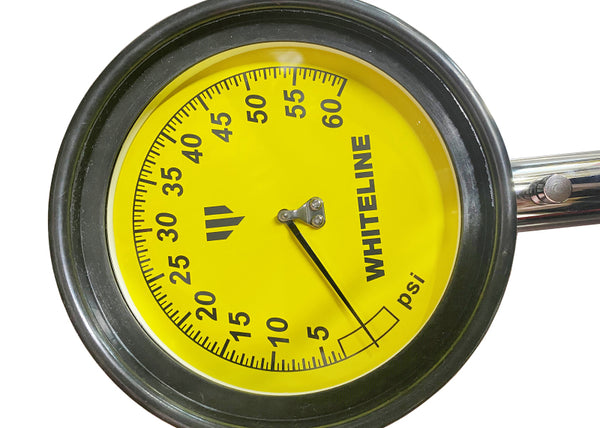
- Bottle Heater: Nitrous pressure is temperature-dependent. For consistent performance, you need 900–1,000 PSI. A bottle heater maintains this pressure, ensuring your "100-shot" actually delivers 100 horsepower every time.
- Purge Kit: Air trapped in the lines causes a "soft" hit and inconsistent power. A purge kit clears the lines of air, ensuring pure liquid nitrous reaches the solenoid the moment you hit the switch.
- Colder Spark Plugs: Standard plugs can become glow plugs under nitrous, causing pre-ignition. Always drop at least one or two heat ranges colder and tighten the gap to prevent the spark from being "blown out" by the increased cylinder pressure.
Support the Power: Exhaust and Flow
When you add a massive amount of oxygen and fuel into the engine, you generate an equally massive amount of exhaust gas. If your exhaust system is restricted, you create backpressure that can lead to engine damage.
Upgrading your headers and mufflers is a non-negotiable part of a nitrous build. Utilizing high-flow components like the Magnaflow Muffler (3.0 inch) ensures that your engine can breathe. For custom setups, high-quality hardware like the Magnaflow 3.00-inch Torca Clamps provides the leak-free seal necessary for high-vibration racing environments.

The Checklist for Success
Before you head to the staging lanes, run through this final checklist:
- Fuel Quality: Always run the highest octane fuel available. Nitrous increases the effective compression of your engine; 93 octane or racing fuel is mandatory.
- Bottle Pressure: Verify your gauge reads between 900 and 1,000 PSI.
- System Leak Test: Use soapy water on all fittings to ensure there are no nitrous or fuel leaks.
- Tune Verification: Confirm that your timing retard is functioning correctly when the system is armed.
Push Your Performance with DTX
Nitrous is the most efficient way to transform your modern muscle car into a drag strip contender. It provides power on demand while allowing your vehicle to remain a civil, daily-driven machine when the system is off.
At DTX Performance, we provide the parts and expertise needed to build a winning setup. Whether you are looking for specific fittings, exhaust upgrades, or general performance automotive hardware, we have you covered. Explore our full range of products in our product sitemap and start building your "instant horsepower" setup today.

Shop With Confidence
We know that building a high-performance machine requires trust. We promise to only send you good things: high-quality parts that have been proven on the track and the street. Don't settle for mediocre performance. Select the best hardware, push your limits, and dominate the competition.
If you have questions about which system is right for your specific year, make, and model, reach out to our team. We are here to ensure your modern muscle car performs at its absolute peak.
Build it right. Spray it safe. Win the race.

