BUY NOW, PAY LATER. Starting at 0% APR


The Gen 6 Camaro SS is a precision instrument. From the factory, the LT1 is a high-compression, direct-injected masterpiece that delivers immediate torque and a top-end that screams. But for the modern muscle enthusiast, "stock" is just a starting point. When you want to bridge the gap between a quick street car and a track-dominant force, nitrous oxide remains the most cost-effective way to add massive power on demand.
However, spraying a 150-shot into an LT1 isn't as simple as hooking up a bottle and hitting a button. You are dealing with direct injection, tight ring gaps, and a sophisticated ECU that doesn't take kindly to lean spikes. If you want to push your Gen 6 Camaro to the limit without turning your engine into a 3,700-pound paperweight, you need to understand the science of nitrous flow and jetting.
Select Your Setup: Dry vs. Wet Shots
Before you turn a single wrench, you must decide how you’re going to deliver the "go-fast" juice. In the world of modern performance, the debate between "Dry" and "Wet" is settled by your fuel system's capabilities.
The Dry System
A dry system sprays only nitrous oxide into the intake tract. It relies on the car’s factory fuel injectors and ECU to provide the additional fuel needed to maintain a safe Air/Fuel Ratio (AFR). While simpler to install, dry systems are risky on the Gen 6 Camaro for 150-shot levels. You are putting immense trust in the factory mass airflow (MAF) sensor and injectors to compensate for a massive, instantaneous hit of oxygen.
The Wet System
For a 150-shot, a Wet System is the professional choice. A wet system uses a plate or nozzle to spray both nitrous and fuel simultaneously. By tapping into the factory fuel rail, the nitrous kit manages its own fuel enrichment. This ensures that the moment the nitrous solenoid opens, the corresponding amount of fuel is right there with it. On the LT1 platform, a plate system tucked behind the throttle body provides superior distribution to all eight cylinders, minimizing the risk of a single cylinder running lean.

Push the Limits: The 150-Shot Threshold
Why is the 150-shot considered the "sweet spot" for the Gen 6? It’s the point where you maximize the stock LT1 internals' potential without crossing into the "danger zone" that requires a fully forged rotating assembly.
A 150-shot typically adds about 130–150 rear-wheel horsepower (RWHP) and even more torque. On a car already equipped with a high-performance exhaust, such as the AWE Axle-Back Exhaust for Gen 6 Camaro, the results are transformative. You aren't just gaining speed; you’re changing the entire power dynamic of the vehicle.
Build for Precision: Solenoid Flow and Plate Design
Nitrous is all about flow consistency. If your solenoids are undersized or your plate design is poor, you get "slugs" of nitrous and fuel rather than a fine mist. This leads to puddling in the intake manifold: a recipe for an intake backfire.
The Nitrous Plate
A high-quality 90mm billet aluminum plate is essential for the LT1. Look for plates that feature multiple discharge ports (some have up to six per side). This ensures that the nitrous and fuel are atomized instantly. In a 150-shot scenario, the speed of atomization is the difference between a clean pull and a cracked piston.
Solenoid Performance
Your solenoids are the gatekeepers. High-performance solenoids are rated by their orifice size. For a 150-shot, you need solenoids capable of flowing significantly more than your target to ensure there is no restriction. Precision-machined plungers and high-temp seals are non-negotiable for reliability.

Jetting 101: The Science of the Orifice
Jetting is where the "tuning" of a nitrous system happens. A nitrous jet is a small brass or stainless steel pill with a precision-drilled hole. The size of this hole determines exactly how much nitrous or fuel can pass through at a given pressure.
Calculating the Shot
For a standard wet plate system on an LT1:
- Nitrous Jet: Typically around a .062 or .063 for a 150-shot.
- Fuel Jet: Typically around a .032 to .035, depending on your fuel pressure.
Note: Always consult the jetting chart provided by the manufacturer of your specific kit. Atmospheric conditions and bottle pressure significantly impact these numbers.
Bottle Pressure is Everything
Your jetting is only accurate at a specific bottle pressure: usually 900–950 PSI. If your bottle pressure drops to 700 PSI, your 150-shot might only perform like a 100-shot, but more importantly, it will run incredibly rich. Conversely, if the bottle sits in a hot trunk and hits 1100 PSI, you will run lean. A bottle heater and a dedicated pressure gauge are mandatory safety items.
Non-Negotiable Supporting Mods
If you spray 150hp into a stock LT1 without these modifications, you are gambling with your engine's life. Shop with confidence by following this checklist.
1. Spark Plugs (Heat Range Matters)
Factory spark plugs are designed for fuel economy and cold starts. They are too "hot" for nitrous. You need a plug that can dissipate heat faster to prevent pre-ignition (knock).
- The Pro Tip: Swap to NGK BR7EF plugs. These are two steps colder than stock and feature a non-projected tip. Gap them down to .032". This keeps the spark from being "blown out" by the high-pressure environment created by the nitrous.
2. Fuel System Upgrades
The Gen 6 Camaro uses a high-pressure fuel pump (HPFP) driven by the camshaft. While the stock DI system is robust, adding a 150-shot pushes the low-pressure side (the pump in the tank) to its limit. If you have already added a cam or are running E85, you must upgrade to a larger in-tank pump (255 LPH or higher) to ensure the wet kit's fuel solenoid always has a steady supply of high-octane fuel.
3. Timing Control
Nitrous accelerates the combustion process. If you keep your factory timing advance, the pressure will peak too early, resulting in catastrophic engine failure. For a 150-shot, you generally need to pull 4 to 6 degrees of timing. This can be done via a dedicated ECU tune or a "timing retard" box that triggers only when the system is armed.

Safety First: Electronic Guards
In the old days, guys used a "horn button" to spray. Today, we use electronics to ensure the engine only gets nitrous when it’s ready to handle it.
- WOT (Wide Open Throttle) Switch: This ensures the system only activates when your foot is floored. Spraying at partial throttle can cause massive manifold pressure spikes.
- RPM Window Switch: This is the most critical safety tool. Set your "On" RPM to 3,000 and your "Off" RPM to 6,200 (or 200 RPM before your rev limiter). You never want to spray into the rev limiter, as the fuel cut will lean out the engine instantly while the nitrous continues to flow.
Installation and Maintenance
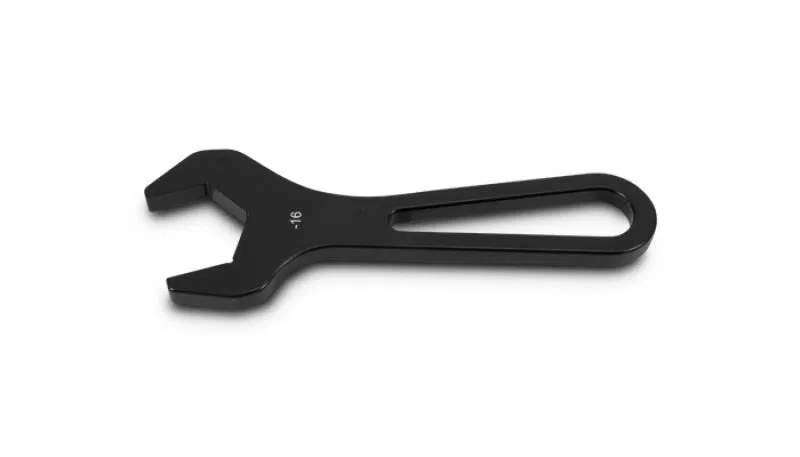
Proper installation requires the right tools and a clean workspace. Use a precision 16mm open-end wrench for tightening AN fittings: never over-tighten, as aluminum threads are unforgiving.
Every time you fill your bottle, check your lines for leaks. Nitrous is an oxidizer; if it leaks onto a hot surface, it won't burn, but it will make any existing spark or fire significantly more intense.

Shop DTX Performance for Your Build
Pushing your Gen 6 Camaro to the 150-shot level is one of the most exhilarating upgrades you can perform. It’s the difference between a 12-second car and an 11-second (or better) beast. At DTX Performance, we provide the high-performance parts you need to make sure your build is done right. From intake systems to high-flow exhausts that help your engine breathe under the stress of nitrous, we have you covered.
Don’t just drive: perform. Select your vehicle, build your list, and get ready to leave the competition in your rearview. We promise to only send you the good things: parts that work, advice that matters, and the performance you crave.
Ready to start? Shop our Camaro Performance collection here.