 BUY NOW, PAY LATER. Starting at 0% APR



Let’s be real. Most guys buy coilovers for one reason: they want their car to look mean. They want that perfect, wheel-gap-eliminating stance that screams "performance." But there is a massive difference between a car that looks fast parked at a local meet and a car that actually performs when you’re pushing it through a hard corner at 80 mph.
At DTX Performance, we see it all the time. Enthusiasts drop three grand on a top-tier track suspension only to complain that their daily commute feels like driving a literal jackhammer. Or worse, they buy the cheapest "eBay specials" just for the drop, only to realize their handling is now objectively worse than stock.
If you want to build a modern muscle machine that dominates, you need to know the truth about coilover upgrades. This is the insider guide to choosing a setup that fits your actual driving reality: not just your Instagram feed.
The Anatomy of a High-Performance Coilover
Before you rip out your factory struts, you need to understand what you’re replacing them with. A coilover is essentially a shock absorber wrapped in a coil spring. Unlike a standard strut and lowering spring combo, coilovers are built as a single unit, allowing for adjustable ride height and, in higher-end models, adjustable damping.
The Mono-Tube vs. Twin-Tube Debate
For the modern muscle enthusiast, the internal design of the shock matters.
- Twin-Tube: Generally found in "street" or entry-level coilovers. They offer a more compliant ride and a longer stroke, making them great for the "Mall Crawler" who wants a smooth ride to work.
- Mono-Tube: This is the "Track Ready" standard. Mono-tube shocks have a larger piston and better heat dissipation. When you’re beating on your car at the track, the oil in the shocks gets hot. Mono-tubes keep that oil cool, preventing "shock fade" and keeping your handling consistent.
Spring Rates: Linear vs. Progressive
If you want precision, you want linear springs. They provide a consistent resistance throughout the entire compression of the spring. If you want comfort, progressive springs start soft and get stiffer as they compress. If your goal is a "Track Ready" build, stay linear. If you’re building a cruiser, progressive is your friend.

The Mall Crawler: Style Without the Sacrifice
Let’s define the Mall Crawler. This isn't an insult; it’s a category. This is the guy with a 700-horsepower Charger who spends 99% of his time on the highway or in city traffic. He wants the aggressive, tucked-wheel look, but he doesn't want to lose the luxury feel of a modern car.
If this is you, do not buy 32-way adjustable track coilovers. You will hate them. Instead, look for street-biased systems from brands like Tein or BC Racing (specifically their BR Series). These are designed with valving that soaks up potholes and expansion joints while still giving you the ability to slam the car for the weekend car show.
Pro-Tip: If you are strictly chasing a "look," ensure your coilovers allow for independent ride-height adjustment. This means you can lower the car by shortening the shock body itself, rather than compressing the spring. This preserves your suspension travel so you don't bottom out every time you hit a pebble.
Shop our full selection of street-ready suspension kits at DTX Performance.
The Track Ready Standard: Precision Over Everything
If your weekends involve apexes and timing transponders, you need a setup that prioritizes chassis communication. A "Track Ready" coilover tells you exactly what the tires are doing.

When you step up to track-focused gear from brands like KW Suspension or Ohlins, you aren’t just paying for a brand name. You are paying for:
- High-Speed and Low-Speed Damping Adjustment: This allows you to tune how the car reacts to quick bumps (high-speed) versus body roll during cornering (low-speed).
- Camber Plates: Most track coilovers come with integrated camber plates, allowing you to dial in negative camber for maximum tire contact during hard cornering.
- Rebuildability: True performance coilovers can be sent back to the manufacturer to be refreshed or re-valved. They are an investment in your car's long-term performance.
The Honest Truth: The Trade-Offs
You cannot have a car that rides like a Cadillac and corners like a Formula 1 car. Every adjustment toward performance is a sacrifice in comfort.
- NVH (Noise, Vibration, Harshness): High-performance coilovers often use spherical pillow-ball mounts instead of rubber bushings. This eliminates "slop" in the suspension, giving you razor-sharp steering. The downside? You will hear every mechanical click and feel every vibration from the road.
- Maintenance: Street shocks are "set it and forget it." Track coilovers need to be inspected, cleaned, and occasionally rebuilt. If you aren't prepared to pull your wheels off once a season to clean the adjustment threads, stick to the street stuff.

Dialing It In: The Importance of Alignment
Installing coilovers is only 50% of the job. The other 50% happens on the alignment rack. Whenever you change the ride height of a vehicle, you throw the toe, camber, and caster out of spec.
If you lower your car and don't get an alignment immediately, you will shred a set of $400 Michelin Pilot Sports in about 2,000 miles. For a "Mall Crawler," a standard factory-spec alignment is fine. For the "Track Ready" crowd, you’ll want a custom performance alignment. Increasing negative camber will help you turn in faster, but it will also increase tire wear on the inside edge during highway driving.
Build your suspension the right way. Explore our performance tuning parts to complement your new stance.
Essential Tools for the Job
Don't be the guy who tries to adjust his ride height with a hammer and a flathead screwdriver. If you’re going to run coilovers, you need the right tools in your garage to keep them dialed.
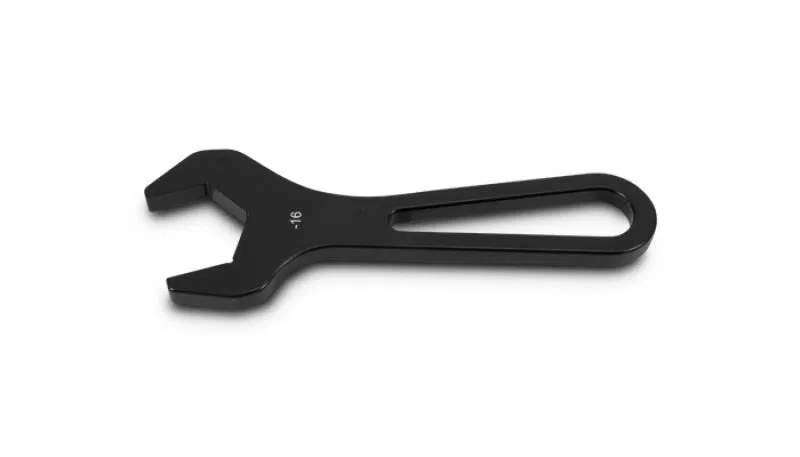
A quality spanner wrench set is mandatory for adjusting the locking collars on your coilovers. Additionally, keeping a set of high-quality hand tools for suspension work ensures you don't strip bolts or damage the shock bodies during installation.
Shop With Confidence at DTX Performance
At DTX Performance, we don’t just sell parts; we live this stuff. We know that choosing between a street setup and a full-blown track system is a big decision. Whether you’re looking to dominate the local track day or just want your muscle car to look as aggressive as it sounds, we have the hardware to get you there.
We promise to only send you good things. No filler, no junk: just high-performance parts that actually move the needle.
Push Your Build Further
Ready to pull the trigger? Browse our categories to find exactly what you need for your specific make and model:

Final Verdict: Which One Are You?
So, are you a Track Ready racer or a Mall Crawler? There is no wrong answer. The only mistake is buying the wrong part for your lifestyle.
If you value your spine and your car is a daily driver, go with a high-quality street coilover with adjustable damping. You’ll get the look you want and the comfort you need. If you live for the weekend and your car's sole purpose is speed, go for the mono-tube, high-spring-rate track monsters.
Stop settling for factory height. Build it. Drive it. Dominate it.
Need help deciding? Contact the experts at DTX Performance today. We’re here to make sure your modern muscle car performs exactly the way you want it to. Shop with confidence and get the stance you've always dreamed of.

