 BUY NOW, PAY LATER. Starting at 0% APR


Performance is the only currency that matters. When you decide to upgrade your modern muscle car’s exhaust system, you are looking for two things: sound and power. However, the performance industry is filled with noise that has nothing to do with the roar of a V8.
Shops often prioritize their margins over your car’s actual output. They sell you what’s in stock, not necessarily what’s best for your build. At DTX Performance, we believe in precision and transparency. If you want to build a machine that dominates the street and the strip, you need the truth.
Here is what the shops won’t tell you about your aftermarket exhaust.
The Horsepower Reality Check
Shops love to quote "peak gains." They tell you a cat-back system will net you 30 horsepower. In reality, a cat-back exhaust on a modern Hemi or Coyote engine is primarily a sound modification. The factory systems on vehicles like the Mustang GT or the Challenger SRT are already fairly efficient.
To find real power, you have to go to the source: the headers.

Select Quality Over Hype. If you are looking for gains you can actually feel, you need long-tube headers. A set of American Racing Headers (ARH) or Kooks Stainless Headers allows the engine to breathe by reducing the struggle of the exhaust stroke. This is where the 20-40 horsepower gains actually live. If a shop tells you a muffler swap will transform your performance, they are selling you a dream, not a reality.
Scavenging Is Greater Than Backpressure
You have probably heard the old myth: "Engines need backpressure to run correctly." This is flat-out wrong.
Backpressure is resistance. Resistance is the enemy of horsepower. What your engine actually needs is scavenging. Scavenging occurs when the high-velocity pulse of exhaust gases moving through the primary tube creates a vacuum behind it, helping to pull the next pulse out of the cylinder.
Push For Precision. This is why primary tube diameter matters. A shop might try to sell you the largest 2-inch headers they have in stock. But if your engine is naturally aspirated and relatively stock, those massive tubes will actually slow down the exhaust velocity, killing your low-end torque. You need to match the diameter to your specific power level.
- 1-7/8" Headers: Perfect for most street-driven 5.0L, 6.2L, and 6.4L engines.
- 2" Headers: Reserved for high-boost supercharged applications or large-displacement stroker builds.
The Material Trap: T304 vs. T409
Not all stainless steel is created equal. Many "budget-friendly" exhaust systems use T409 stainless steel. Shops push these because the lower price point closes the sale faster.
Build For Longevity. T409 stainless steel will eventually develop surface rust and can become brittle over time due to heat cycles. If you live in a climate with humidity or road salt, a T409 system is a temporary fix.
At DTX Performance, we advocate for T304 stainless steel. It has a higher chromium and nickel content, making it virtually immune to rust. Brands like American Racing Headers use aircraft-grade T304 because it handles the extreme temperatures of a high-performance engine without degrading. Shop with confidence: buy the material that lasts the life of the car.

The Hidden Danger: Underhood Heat Soak
Shops focus on the exit of the exhaust, but they rarely talk about what happens under the hood. High-performance long-tube headers radiate significantly more heat than heavy, cast-iron factory manifolds.
This heat radiates directly into your engine bay, soaking your intake air charge and taxing your cooling system. When your engine gets too hot, the ECU pulls timing to protect the internals. This results in a massive loss of power: the exact opposite of what you paid for.
Upgrade Your Support Systems. If you are pushing more power and generating more heat, you must upgrade your cooling capacity. A high-performance radiator is not an option; it is a necessity for a serious build.
- For the off-road and truck crowd, the CSF Toyota Tacoma Heavy Duty Radiator is engineered to handle extreme stress.
- For the Euro-performance enthusiasts, the CSF Audi B8 S4/S5 High-Performance Radiator ensures your supercharged V6 stays in the power band even after multiple pulls.
- Import builds like the WRX or Evo require specific specs, such as the CSF Subaru WRX/STI Race-Spec Radiator, to manage the heat generated by upgraded exhaust and turbo setups.
Sound Quality vs. Sound Quantity
Loud does not equal fast. Shops often ignore "drone": that annoying, low-frequency vibration that fills the cabin at highway speeds. A cheap exhaust system might sound great at a stoplight, but it will make a two-hour drive unbearable.
Select The Right Tone. Quality manufacturers use Helmholtz resonators and specific internal muffler packing to cancel out drone frequencies while maintaining an aggressive exterior note. Don't let a shop talk you into a "straight pipe" setup unless you are building a dedicated track car. Modern muscle is about refined aggression, not eardrum-shattering noise.

You Don’t Always Need a Professional
Labor rates at performance shops are skyrocketing. While some jobs: like custom tuning: require a professional touch, many aftermarket exhaust systems are designed as direct bolt-on replacements.
Shop And Install With Confidence. If you have a set of jack stands, a basic socket set, and a Saturday afternoon, you can install most cat-back systems yourself.
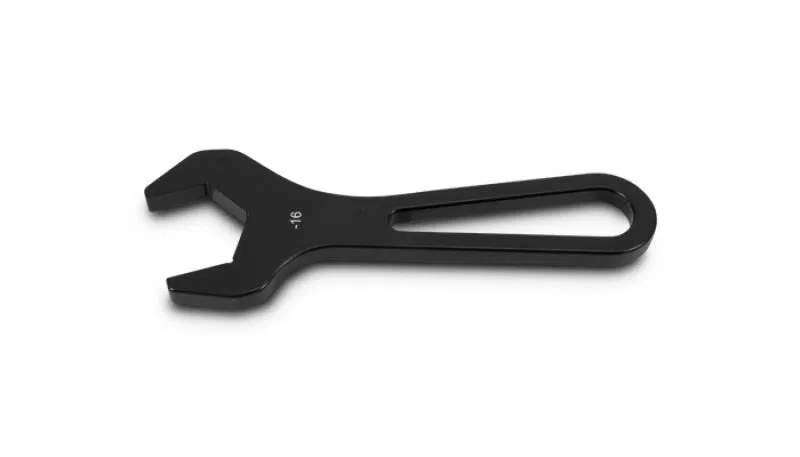
Doing the work yourself allows you to ensure every bolt is torqued to spec and every hanger is perfectly aligned. Shops are often rushing to get the next car on the lift. You, however, have the luxury of taking the time to do it right. We promise to only send you the best parts so your DIY experience is as frictionless as possible.
The "Track Only" Disclaimer
This is the big one. Most high-flow downpipes and long-tube headers that delete or move the catalytic converters are labeled "For Off-Road Use Only."
Shops often gloss over this because they want the sale. Removing or tampering with emissions equipment can lead to failed inspections and heavy fines depending on your location. Furthermore, modern cars are highly sensitive to exhaust changes. If you install headers without a proper tune, you will likely trigger a Check Engine Light (CEL) and your car may enter a "limp mode" to prevent engine damage.
Action-Oriented Planning. Before you buy, decide on your tuning strategy. Are you using a handheld programmer? Are you taking it to a dyno? An exhaust system is one piece of a larger puzzle. To get the most out of your modern muscle car, the exhaust must work in harmony with your intake, your cooling system, and your ECU calibration.
Build Your Legend
Building a high-performance machine requires more than just buying the loudest parts on the shelf. It requires a strategy focused on quality materials, proper fitment, and thermal management.
Don't settle for the half-truths told by shops looking to move old inventory. Demand the best components from brands that have proven their worth on the track. Whether you are upgrading a Mustang, a Challenger, or a high-performance import, DTX Performance is here to provide the hardware you need to win.
Shop DTX Performance Now. Build it right. Drive it hard.


